
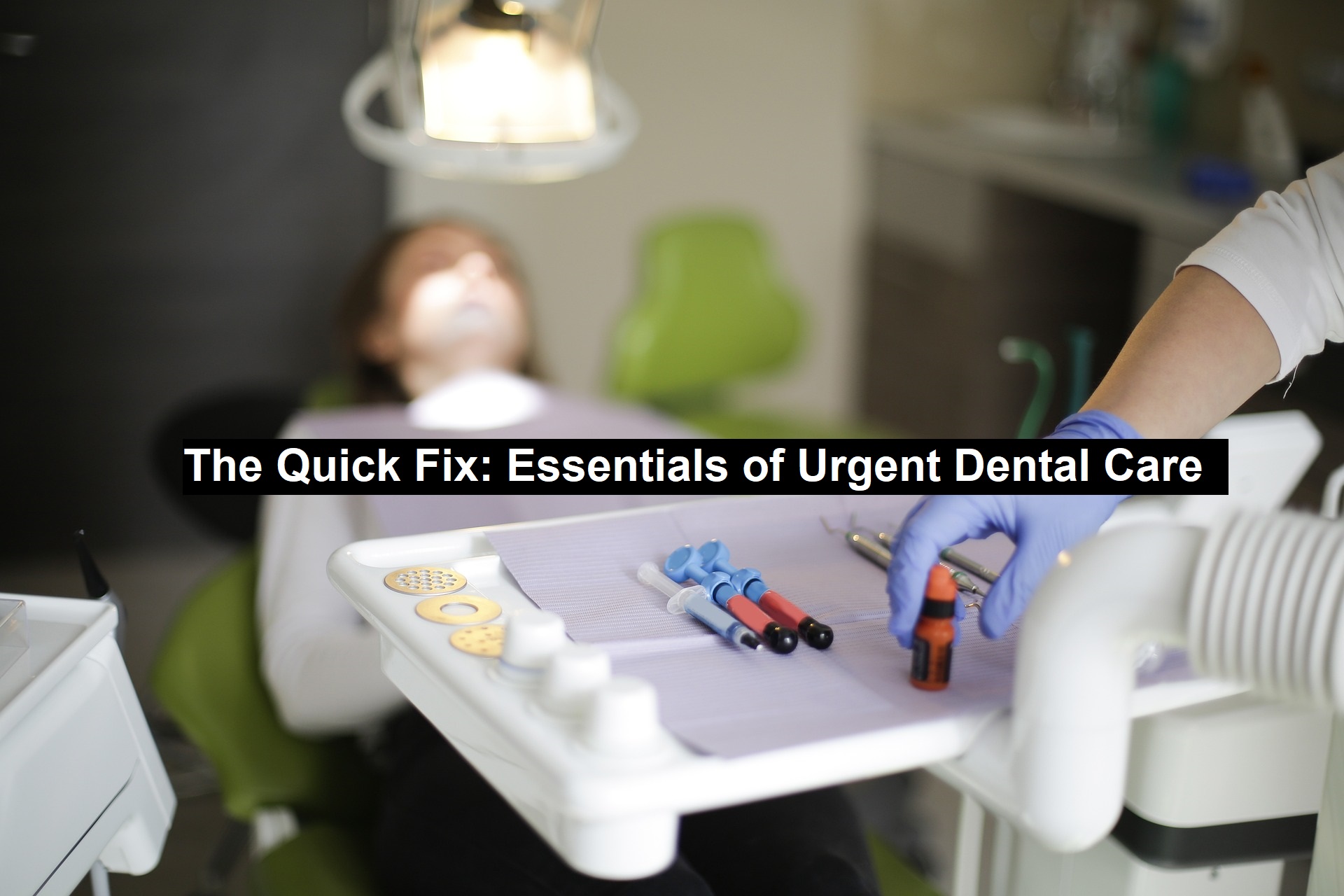
Let’s be honest—tooth pain has a way of showing up at the worst possible time. One minute you’re sipping coffee, the next, you’re clutching your jaw in agony, wondering what just happened. Whether it’s a cracked tooth, sudden swelling, or a relentless ache that won’t quit, some dental problems just can’t wait. That’s where Urgent Dental Care steps in.
This post will help you understand when a dental issue becomes an emergency, what to expect at an urgent visit, and how you can be prepared when that “Oh no!” moment hits.
What Exactly Is Urgent Dental Care?
Urgent Dental Care is all about addressing serious dental problems that need immediate attention. We’re talking about things like intense pain, infections, or damage to a tooth that could get worse fast if not treated.
Unlike regular dental appointments (which are scheduled in advance), urgent care is meant for problems that can’t wait days—or even hours in some cases. Some dental offices have same-day emergency slots, while others might refer you to a clinic that specializes in urgent cases.
Read: Enhancing Patient Engagement: The Role of Technology in Healthcare
Signs You Might Need Urgent Dental Care
Not every twinge means a trip to the emergency dentist—but some symptoms definitely shouldn’t be ignored. Here are a few red flags:
1. Unbearable Toothache
A toothache that won’t let you sleep, eat, or think straight is a pretty clear sign that something serious is going on—like a deep cavity, infection, or nerve issue. When over-the-counter painkillers aren’t cutting it, it’s time to call for help.
2. A Tooth Gets Knocked Out
Yes, it’s as dramatic as it sounds—and also super time-sensitive. If a permanent tooth gets knocked out (from a fall, sports injury, etc.), getting to a dentist within 30–60 minutes could actually save the tooth.
3. Cracked or Broken Tooth
A little chip may not be an emergency, but if a tooth is cracked in half, causing pain, or has sharp edges, it needs urgent attention to prevent further damage or infection.
4. Swelling or Abscess
A dental abscess is a serious infection and usually comes with swelling, pain, fever, or even a weird taste in your mouth. Left untreated, it can spread to other areas of the body. Not something to brush off—literally.
5. Lost Filling or Crown
While it might not sound urgent, losing a filling or crown can leave your tooth vulnerable. You could end up in pain or even risk breaking the tooth further, so it’s worth seeing your dentist sooner rather than later.
6. Bleeding Gums or Injured Mouth
Mouth cuts, bites, or bleeding that doesn’t go away after applying pressure for a few minutes? That qualifies as urgent, especially if it’s combined with swelling or pain.
What Happens at an Urgent Dental Appointment?
If you’ve never had a dental emergency before, you might be unsure of what to expect. Here’s how it typically goes:
Step 1: Quick Evaluation
The dental team will ask about your symptoms, how long you’ve had them, and what you’ve done so far to manage the issue. Time matters in emergencies, so they’ll move fast.
Step 2: Diagnosis
You may need an X-ray or quick exam to figure out exactly what’s going on. This helps the dentist decide on the best course of action—whether it’s medication, a temporary fix, or something more involved.
Step 3: Immediate Relief
The main goal is to stop the pain and stabilize the situation. That might mean draining an abscess, applying a temporary crown, or starting a root canal. In some cases, you might be given antibiotics first and return later for a full treatment.
Step 4: Follow-Up Plan
You’ll likely need a follow-up visit for permanent treatment. Think of urgent dental care as triage: it takes care of the urgent part now and saves the rest for when you’re out of the danger zone.
What You Can Do Before You See the Dentist
Dental emergencies are stressful, but knowing how to respond in the moment can really help. While you’re on your way to the dentist, follow these steps:
- Knocked-Out Tooth: Pick it up by the crown (not the root), rinse gently if dirty, and try to place it back in the socket. If that’s not possible, store it in milk or saliva and head straight to the dentist.
- Broken Tooth: Use a cold compress to minimize swelling, rinse with warm water, and, if at all feasible, save any broken parts.
- Toothache: Rinse with salt water, take over-the-counter pain relievers (not aspirin on the gums!), and apply a cold compress.
- Swelling or Abscess: Warm saltwater rinses can offer some relief, but don’t attempt to drain anything yourself. That’s a job for the pros.
Why Quick Action Matters
Ignoring a dental emergency can lead to:
- Increasing Pain: Dental problems rarely resolve themselves.
- Permanent Tooth Loss: Fast treatment could mean the difference between saving or losing a tooth.
- Spread of Infection: An oral infection can become a whole-body issue if it spreads into your bloodstream.
Basically, if your gut says, “This isn’t right,” it’s best to trust that instinct and seek Urgent Dental Care right away.
How to Be Ready for a Dental Emergency
Let’s face it: emergencies never happen at a “good” time. But you can be prepared:
- Know Where to Go: Find out which local dental clinics offer emergency services. Save their contact info on your phone.
- Have a Dental First-Aid Kit: Gauze, painkillers, salt packets, and a small container with a lid (for a knocked-out tooth) can come in handy.
- Understand Your Insurance: It’s helpful to know what your dental plan covers in case of an emergency.
- Keep Up With Routine Checkups: Preventative care reduces the chance of sudden problems popping up in the first place.
Technology is Changing the Emergency Dental Game
Today’s dental offices are better equipped than ever to handle emergencies. Digital X-rays, same-day crowns, and even virtual consultations are making Urgent Dental Care more accessible and efficient. Some clinics offer video chats to help you decide whether you need to come in right away or if it can wait.
Final Thoughts
No one wants a dental emergency—but if (or when) one happens, it helps to know what to do. Whether it’s a throbbing tooth, a surprise crack, or swelling that won’t go down, having access to Urgent Dental Care can make all the difference in your comfort, health, and peace of mind.
So next time your teeth throw a curveball your way, don’t panic. Take a deep breath, follow these tips, and know that help is just a call away.
Author’s Bio:
Richard Clark is a qualified content writer with experience in writing on a variety of subjects. He has written a lot of content on Urgent Dental Care and Dental Implant services as well